Science Outreach
Science isn't complete until it's shared. I'm passionate about making astronomy accessible and inspiring the next generation of scientists. From podcasts to classrooms to press coverage, I believe in sharing all our amazing discoveries about the universe.
Podcasts & Interviews
I've had the privilege of sharing my research journey and discoveries through some podcast appearances. These conversations cover everything from my path from India to NASA-funded astronomy research to the latest JWST discoveries about how planets form.
Podcasts allow me to connect with diverse audiences—from aspiring scientists wondering if astronomy is for them, to curious listeners who want to understand what we're learning about the universe. It's storytelling at its best, and I love breaking down complex science into relatable stories.
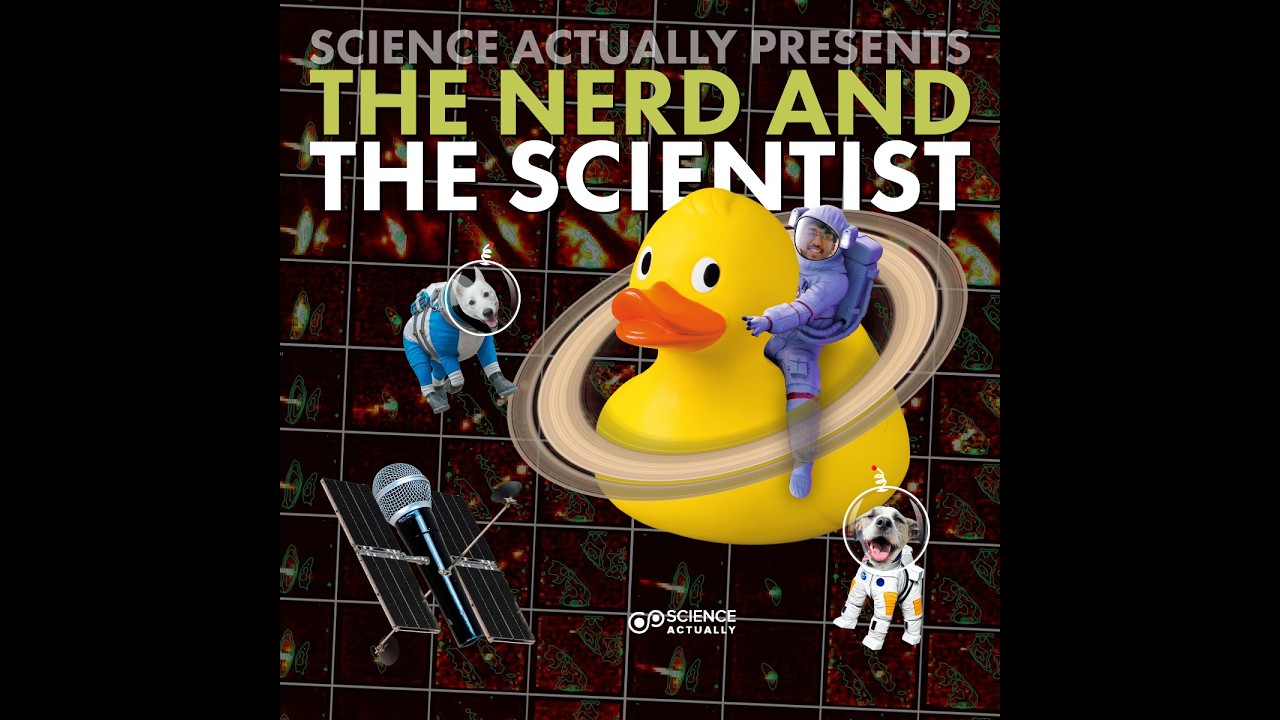
In-depth conversation about my daily job
How protoplanetary disks - baby solar systems - lose 85-90% of their original mass by the time they're done forming. They do so in tremendous, huge jets - some of which, in turn, spark the beginnings of other baby solar systems.
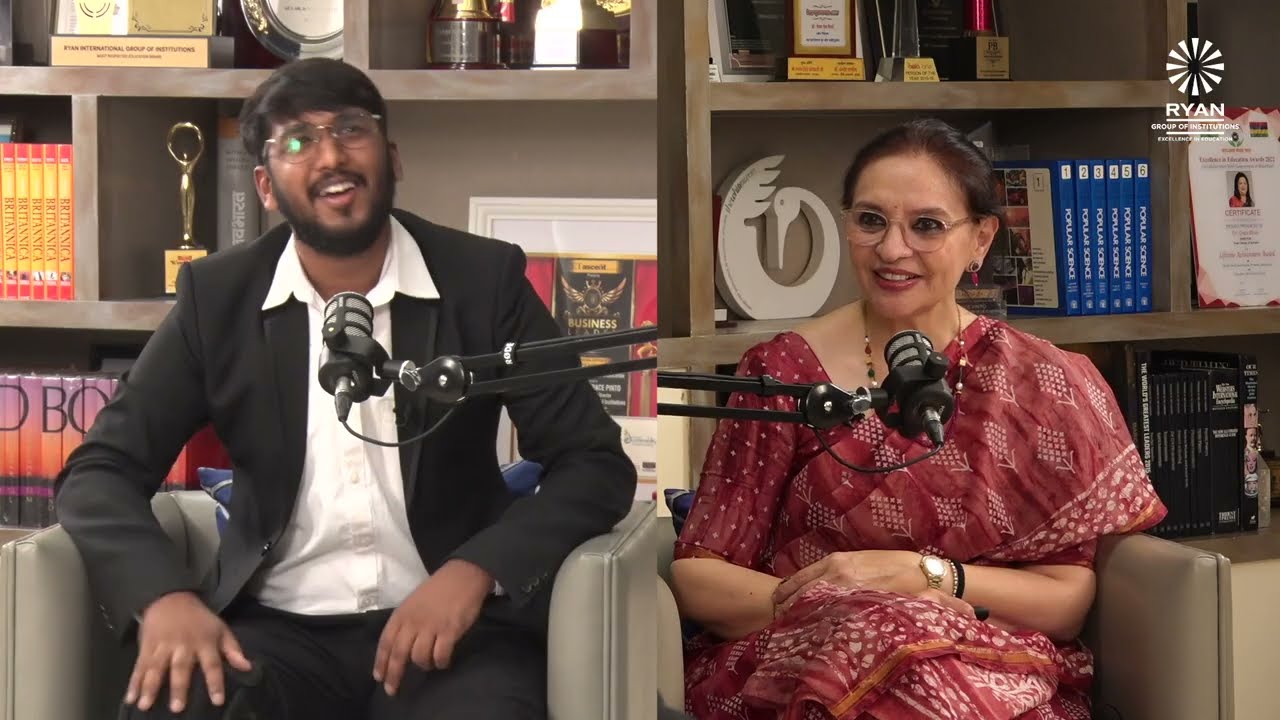
My Journey from India to NASA Astronomy
A personal conversation about growing up in Bhayandar, discovering my passion for astronomy, and the path that led me to work on JWST observations and NASA-funded research at the University of Arizona.
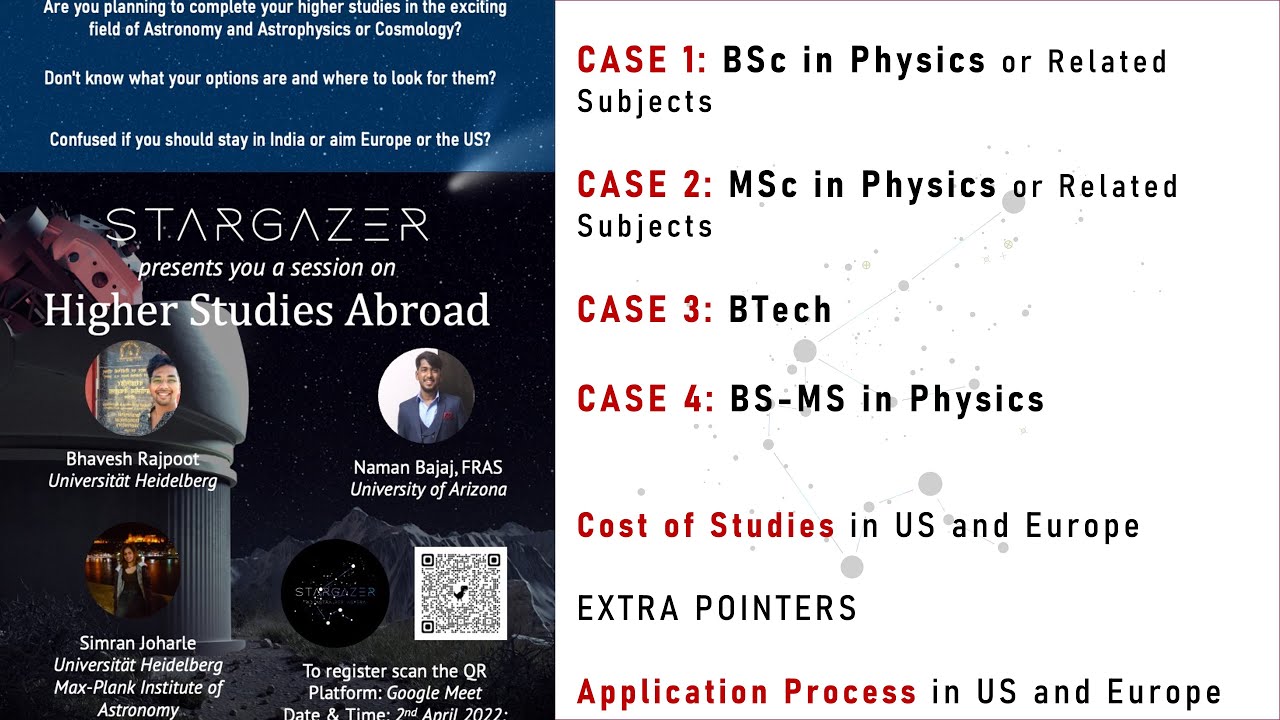
Pursuing Astronomy in India and Abroad
Bhavesh, Simran, and I discussed our paths to astronomy research. Additionally, we discussed various possible career paths in astronomy, both within India and abroad.
School Outreach
One of the most rewarding parts of being a scientist is inspiring the next generation. I regularly visit schools to talk about astronomy, perform some live demonstrations, and answer their big, heavy, and difficult questions!
Whether I'm explaining how planets form to elementary school students using everyday analogies or discussing career paths with high schoolers curious about astronomy, these interactions remind me why I fell in love with science in the first place. Seeing a student's eyes light up at the beauty and size of the universe is what keeps me going.
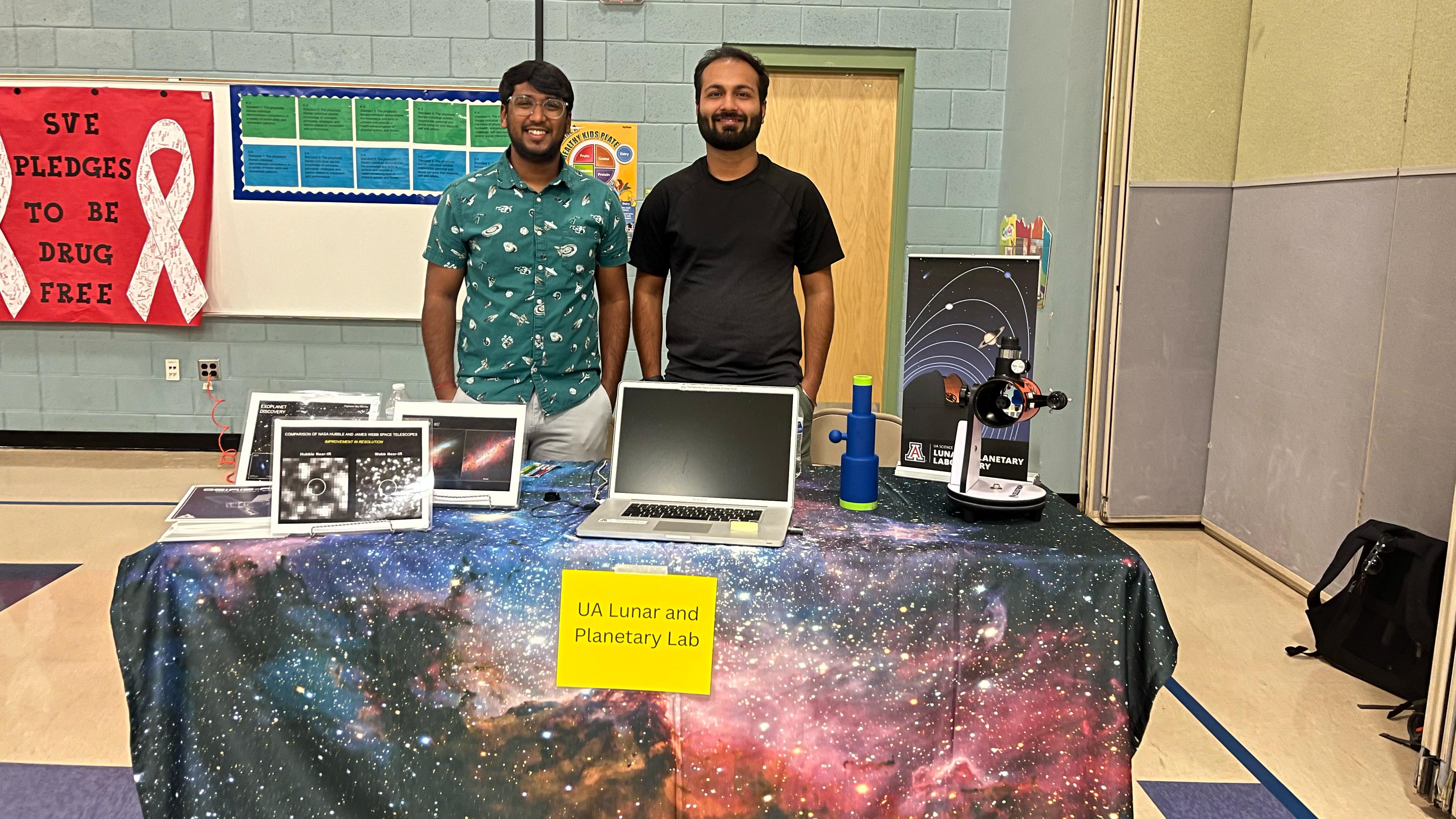
Senita Valley Elementary School
Rahul Arora and I represented LPL at the school’s STEM Night in late 2025. It was a joy to see the excitement on the kids’ faces as many of them looked through a telescope for the very first time.
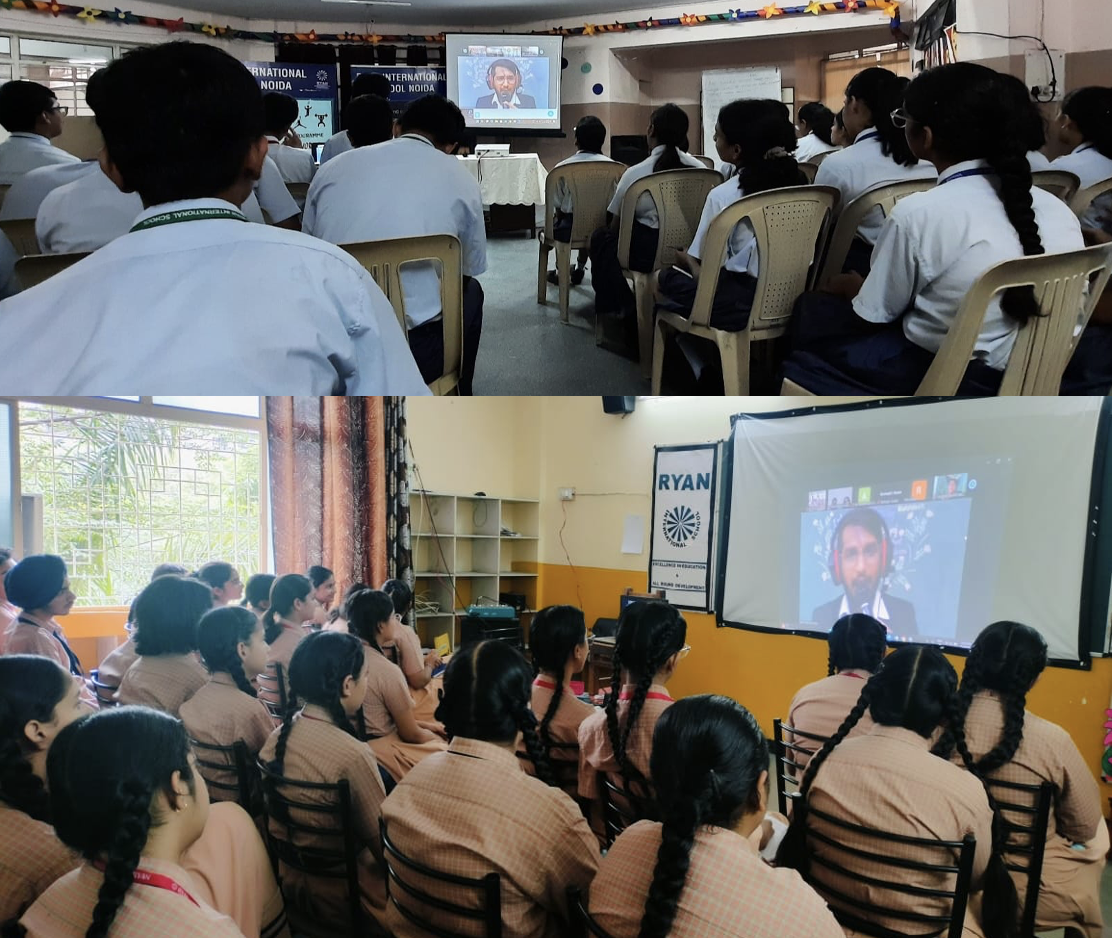
St. Xavier's and Ryan International School
In this unique event, I spent several hours sharing the wonders of astronomy with nearly 10,000 students from around 100 St. Xavier’s and Ryan International Schools across India through video conferencing.
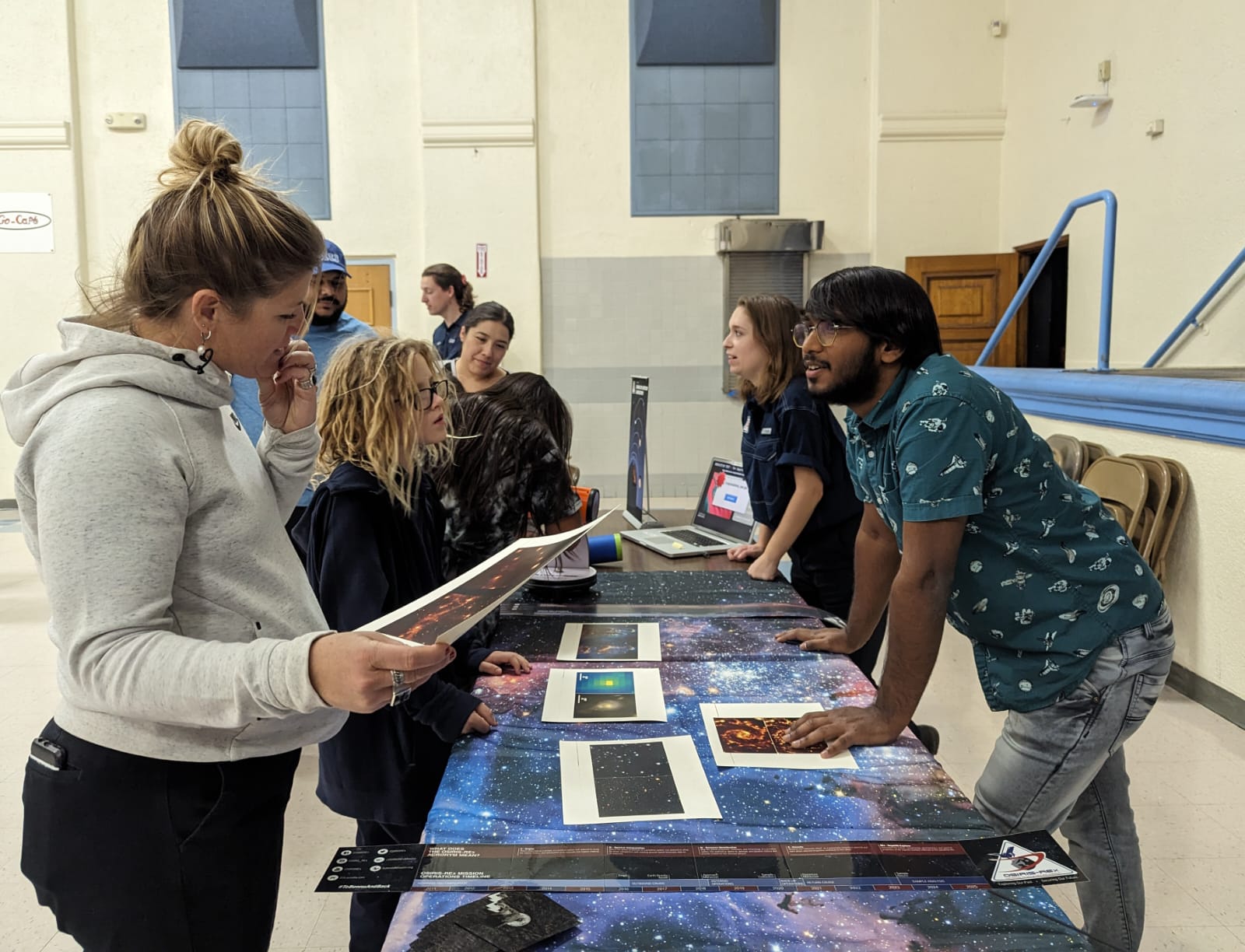
Mansfield Middle Magnet School
In another school outreach experience, both students and their parents were captivated by the wonders of astronomical instruments—especially the James Webb Space Telescope.
Press & Media Coverage
My research has been featured in science news outlets around the world, from the SETI Institute to space[dot]com. These articles translate technical astronomy findings into stories that people can appreciate and get excited about.
Each press feature is an opportunity to share not just the science, but the story—the questions that drive us, the surprises we find, and what it means for understanding our place in the universe. I work closely with science writers to ensure accuracy while keeping the narrative engaging and accessible.
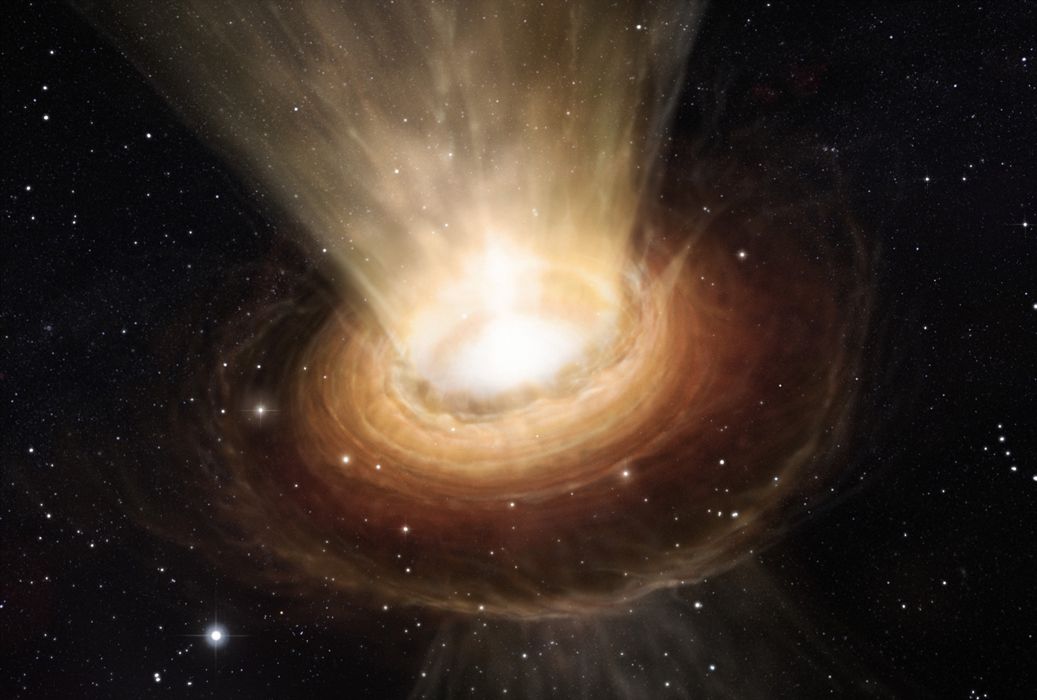
JWST Captures the End of Planet Formation
Featured coverage of our T Cha discovery—the first spatially resolved image of a photoevaporative disk wind. This article explains how JWST revealed the process that stops giant planet formation.
Read Article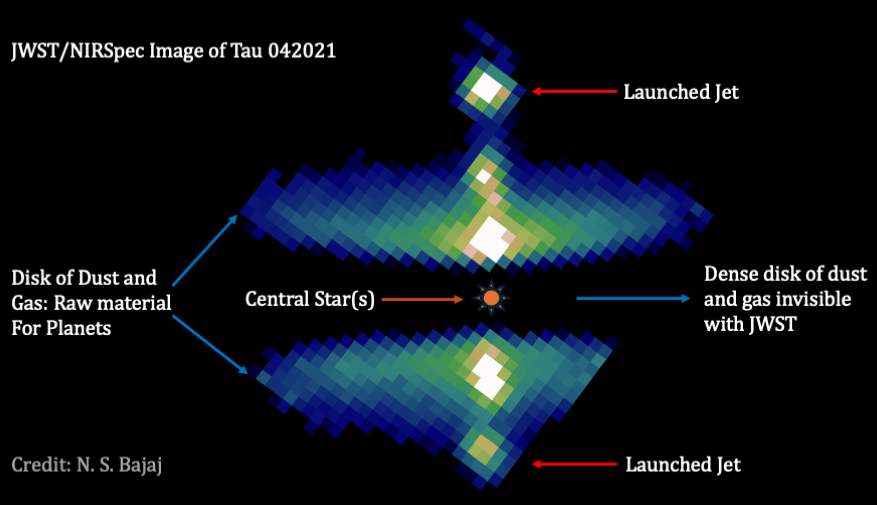
Graduate Student Found a Sneaky Extra Star in JWST Data
The University feature on our discovery of a hidden binary companion revealed by jet wiggles in JWST observations—showing how careful data analysis can uncover surprises.
Read Article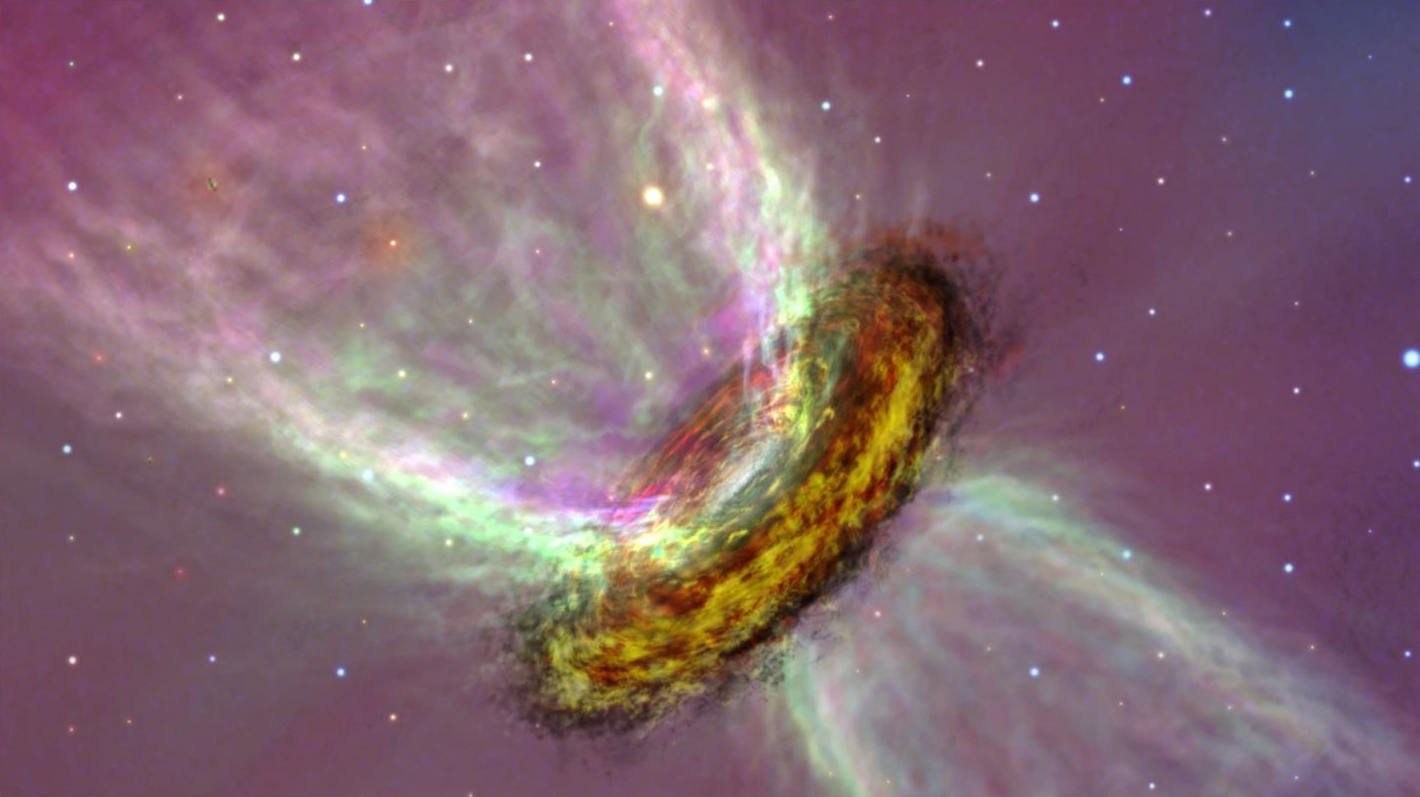
Winds of Change: JWST Reveals Elusive Details in Young Star Systems
Coverage of the groundbreaking detection of jets nested inside winds, explaining how these observations provide the first direct view of the forces shaping planetary systems.
Read Article